


Maintaining a consistent brand across multiple teams, departments and locations can be challenging. Marketing teams today produce large volumes of digital content, including campaign images, videos, product photography, presentations and social media assets.
This is where brand asset management come into place.
Brand Asset Management with Digital Asset Management
Without a structured system to organise these files, organisations often experience:
- outdated logos being used
- duplicate brand assets across departments
- long email chains requesting files
- inconsistent brand presentation
This is where brand asset management becomes essential.
Many organisations now use digital asset management (DAM) platforms to centralise brand assets, manage brand guidelines and ensure teams always use approved content.
If you are exploring DAM platforms, our guide to digital asset management in Australia explains how organisations typically evaluate and implement these systems.
Common Brand Management Challenges Without a DAM System
Many organisations attempt to manage brand assets using shared drives, email or basic file storage systems. As content libraries grow, this often leads to operational challenges.
Common brand management problems include:
• Outdated brand assets – Employees may unknowingly use old logos, images or templates that no longer follow current brand guidelines.
• Duplicate content – The same files are often stored in multiple locations, making it difficult to determine which version is approved.
• Slow asset requests – Marketing or design teams frequently receive requests from other departments asking for logos, images or campaign assets.
• Limited visibility of brand content – Teams may not know what assets already exist, leading to unnecessary content creation.
A brand asset management system powered by digital asset management helps organisations solve these issues by creating a single, searchable source of truth for brand content.
What Is Brand Asset Management?
Brand asset management is the process of organising, controlling and distributing assets that represent an organisation’s brand.
These assets may include:
• logos
• brand guidelines
• marketing images
• campaign videos
• fonts and colour palettes
• product photography
• social media templates
When these assets are stored across shared drives, email attachments or personal folders, teams often struggle to find the correct files.
A digital asset management platform solves this problem by providing a central library for all brand assets, allowing teams to easily search, manage and distribute content.

How Canto Supports Brand Asset Management
Canto is a digital asset management platform designed to help organisations create, manage and distribute brand content more efficiently.
By centralising assets and workflows, teams can collaborate more effectively while maintaining brand consistency across channels.
Key capabilities include:
Centralised Brand Asset Library
Canto provides a secure, cloud-based library where all brand assets are stored and organised. Teams can access approved brand materials from one location and eliminate duplicate files.
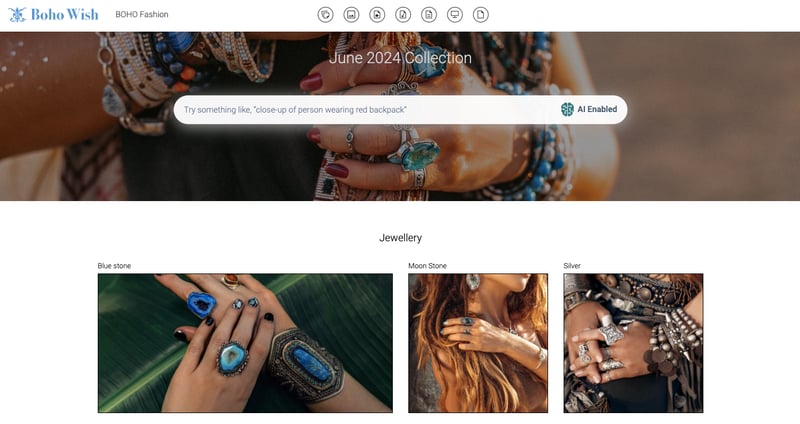
AI-Powered Search
Finding assets quickly is essential for marketing teams working under tight deadlines. Canto includes AI-powered capabilities that help users locate images, videos and documents within large asset libraries.
Brand Guidelines and Templates
Organisations can store brand guidelines, approved logos, fonts and marketing templates in a single location. Templates help teams create new materials while maintaining brand consistency.
Approval Workflows
Content often needs to be reviewed before publication. Approval workflows allow stakeholders to review and approve assets while maintaining version control.
Brand Portals for External Sharing
Canto allows organisations to create branded portals where partners, distributors or media can access approved marketing assets.
Benefits of Digital Asset Management for Brand Management
Implementing a DAM platform can significantly improve brand operations.
Stronger brand consistency – Teams use approved assets and follow consistent guidelines.
Faster marketing workflows – Employees can find assets instantly instead of requesting them.
Improved collaboration – Marketing, creative and external partners can work from the same platform.
Better governance – Permissions, expiry dates and digital rights management help control asset usage.
These capabilities make digital asset management a core technology for organisations managing large volumes of brand content.
Brand Asset Management in Australia and New Zealand
Organisations across Australia and New Zealand are producing increasing volumes of digital content across websites, social media, campaigns and internal communications.
Managing these assets effectively requires more than simple file storage.
A digital asset management platform allows organisations to centralise brand content, improve collaboration and maintain consistent branding across departments and external partners.
If you are exploring DAM platforms, our article on digital asset management in Australia (insert pillar link) explains how organisations typically evaluate and implement these systems.
You may also find these resources useful:
• DAM vs SharePoint – what’s the difference?
• DAM governance best practices
• Choosing a digital asset management solution
Conclusion
Strong brand management requires more than a set of guidelines.
It requires systems that make it easy for teams to find, share and use brand assets correctly.
A digital asset management platform like Canto provides the structure needed to manage brand content at scale, helping organisations maintain consistency, improve workflows and support growing content libraries.
For organisations evaluating solutions, understanding how digital asset management works in Australia can help guide the selection and implementation process.
