RBG decided to start with a pilot catalogue for one area of the business, to be followed by other divisions of the organisation. At first, the Marketing and Communications team set up a pilot catalogue and different catalogues were set up to deal with privacy and image permission issues. This was followed by the Fungi catalogue, which was setup to publish selected public images online using Cumulus Sites. Cumulus’ reach is now being extended across all RBG operational divisions.
More recently, the Roboflow add-on was purchased for its ability to provide an automated workflow in Cumulus – to perform a series of actions and functions across the database. This has enabled RBG to create a global “drop folder” where the Cumulus administrator can define rules and control what happens. It is especially relevant when plant names change and those changes need to be reflected in all catalogues and datasets.
As all digital assets are ingested into Cumulus, it automatically adds records for each asset, generating thumbnails for the light table view, extracting embedded metadata, such as camera data, capture date, etc., and transferring information about author rights, image title and description, if this data was previously attributed to the digital asset. Cumulus then records further metadata such as copyright information. These assets function as the data source for all further applications, from publication to research.
The resulting datasets are only used by RBG at present. For organisation-wide searches by any internal user, editors select and tag specific records to be automatically available to all those with appropriate permissions. A further selection of media files, to be internet-accessible to the public, is also tagged accordingly. Cumulus ensures they are always available and up-to-date.
The major advantage of using Cumulus as the single data source for digital assets is that any necessary amendments are made in only one location before automatically being applied across all linked systems instantly, without the need for making further changes elsewhere.
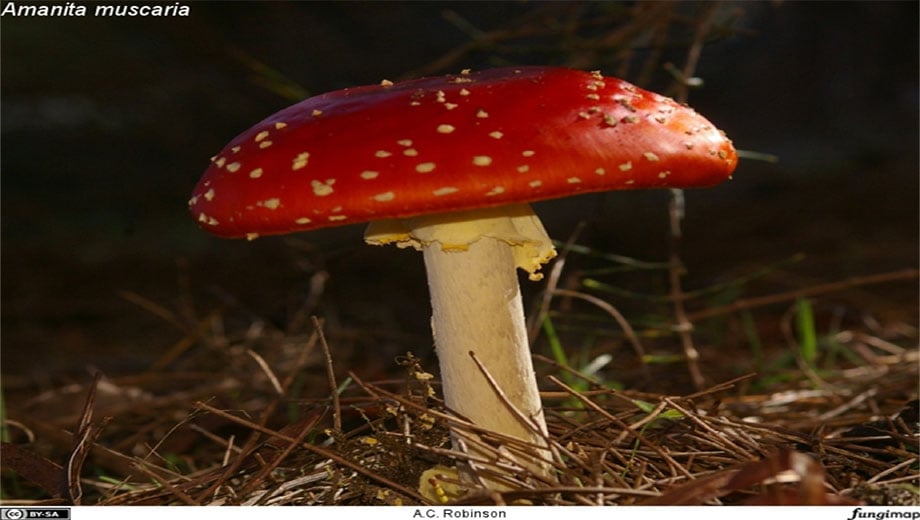
The fungimap images are available for viewing online. The public dataset is managed by RBG staff who acknowledge image contributions made by volunteers in the field.