

Museums Australasia 2016 Conference or MA16: Facing the Future: Local, Global and Pacific Possibilities – was the first joint conference between Museums Australia and Museums Aotearoa. Crossing cultures and disciplines, the conference program covered events, tours and activities with a strong emphasis on the cultures of the Asia-Pacific region. Ricky Patten was there and his recap looks at the overriding theme of the conference: museums and galleries fulfilling two roles in society – history and storytelling, storage and preservation.
Museums: storage place of history/culture versus instigator/place for creating future cultures
 These two roles do not necessarily resonate with people whose culture provides the collection material. Sometimes the role of museums and even the very establishment of museums is seen to suppress indigenous cultures and to be a colonial process to enforce the conversion of First Peoples to the colonial culture. The result is a tension between museums as the storage place of history and culture versus their role as instigators and a place for creating future cultures as explored in the two keynote speakers on Day 1. Keynote: Moana Jackson: Context – the evolving story of Te Tiriti o Waitangi Keynote: David Garneau: From Colonial trophy case to non-Colonial keeping-house Part of this is the belief that museums themselves are the knowledgeable authority as opposed to the elders of the indigenous community having a wealth of knowledge that surpasses that of the museum. This is often characterised by the authorities on indigenous culture consulting with the elders of the indigenous community, as opposed to going directly to that community and having the elders provide their own knowledge. It is therefore of great significance that museums take careful consideration of the collection objects/treasured objects/mana taonga held within the museum/house of treasures/whare taonga and how connections are made to the broader community. For many there is an outstanding issue of returning taonga to the community/wharenui, as within the museum/whare taonga, the mana taonga are sterile.
Digital future
The plenary sessions discussed the future focus and sustainability for museums. Digital transformation versus archival repository – to better place themselves within the community many museums have taken up an open policy of making their collections widely available. Digitisation assists with this policy and complements direct access to the objects for purposes of research and community interaction. Digitisation and providing open access needs to be considered in the light of the cost of provisioning such a resource. If this activity can be done at a low cost it is likely to be sustainable, as unfortunately there is little sponsorship available from governments. In the Day 2 Keynote The Ten Thousand Year Museum, Elizabeth Merritt considered what preservation and interpretation could mean across millennia and within the context of shifting institutional culture.Community within the museum
 There needs to be a more diverse workforce within museums and galleries to reflect the spectrum of the community. Leadership needs to be collaborative, with fair representation from the community to determine the role of the organisation within the community, and how the collection can best be leveraged for the purposes of the community. The attitudes and processes plus associated skills of museum staff in light of their roles in the interactions with the community needs to be examined. What needs to be accomplished by the museum to make their collection accessible and what skill sets do they require to achieve this goal? What is the role of cultural heritage organisations and research? In light of the source of knowledge coming from the community rather than museum based authorities, should research be the domain of the community and facilitated by the infrastructure provided by the museum? Indigenous knowledge of the collection items is often persistent whereas institutionalised research is generally the reclamation of old knowledge.
Funding cuts
Cuts of government funding will be a major challenge for Australian institutions as they will still have expectations placed upon them and limited funds to respond. Survival will be based upon the ability to work with what’s available. In these times of great challenge, it is important to pay more rigorous attention to generosity. The collection must survive as a resource for the community.Place of the indigenous community
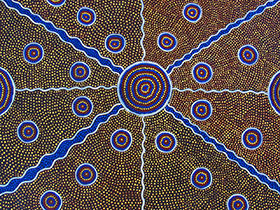 Interpretation is a defining quality of an indigenous culture. It needs to be carefully understood in the cultural context of the community and yet allow the culture to retain a modern context, within an environment affected by many strong influences. Education will inevitably be the key – interpretation is a communication process and if interpretation is effective, then education can occur about the subject. Formal education will allow the indigenous person to gain power and influence. However, to retain content of the indigenous culture as the secret language of white privilege implicitly denies the heritage of the indigenous people. Indigenous culture and heritage is what separates yet identifies many of the participants of the conference. Specifically ex-British colonial countries need to hold true to their indigenous culture to retain a unique identity.